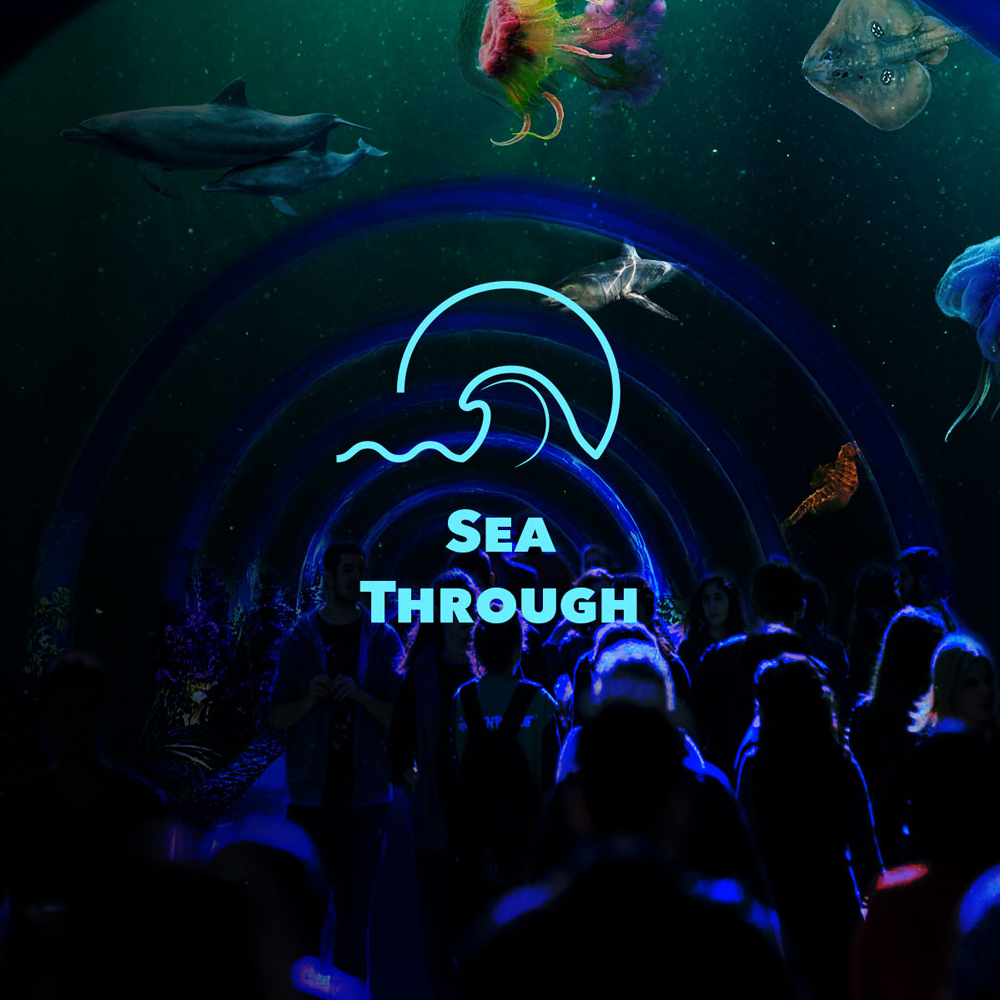
Tagoro: A Post Growth Imaginary
A reimagined future where sustainable living, community, and eco-equality is a priority.

This was a collaborative project with Gianna Gonzàlez Watterston, Gloria Ruffino, and Amy Gupta.
Tagoro — Our Brief
This was our first project of second year, and it was a project that really got us thinking 'what could be'?
Working in teams, we developed an imaginary for a shared vision of what the future could look like. Our task was to make this future feel real, tangible, and a world in which we may really live. Throughout the development process, my team and I outlined a new system of society, one in which humans co-exist with the natural environment with a mantra of 'when we support the eco-system, the eco-system supports us'.
Tagoro:
Guanche for a natural meeting place or circle.
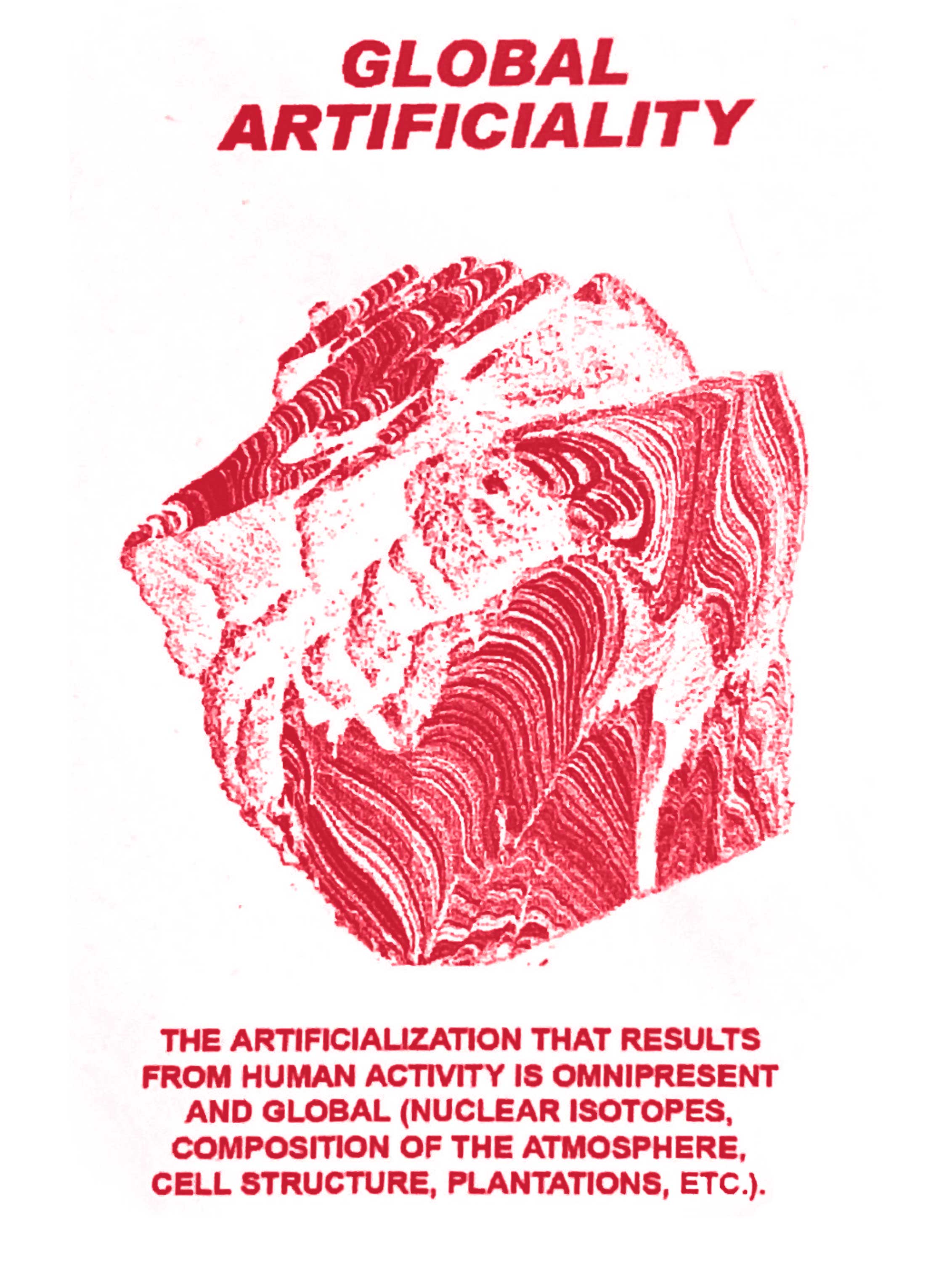
Our Three Key Issues
The Cycle of Benefit
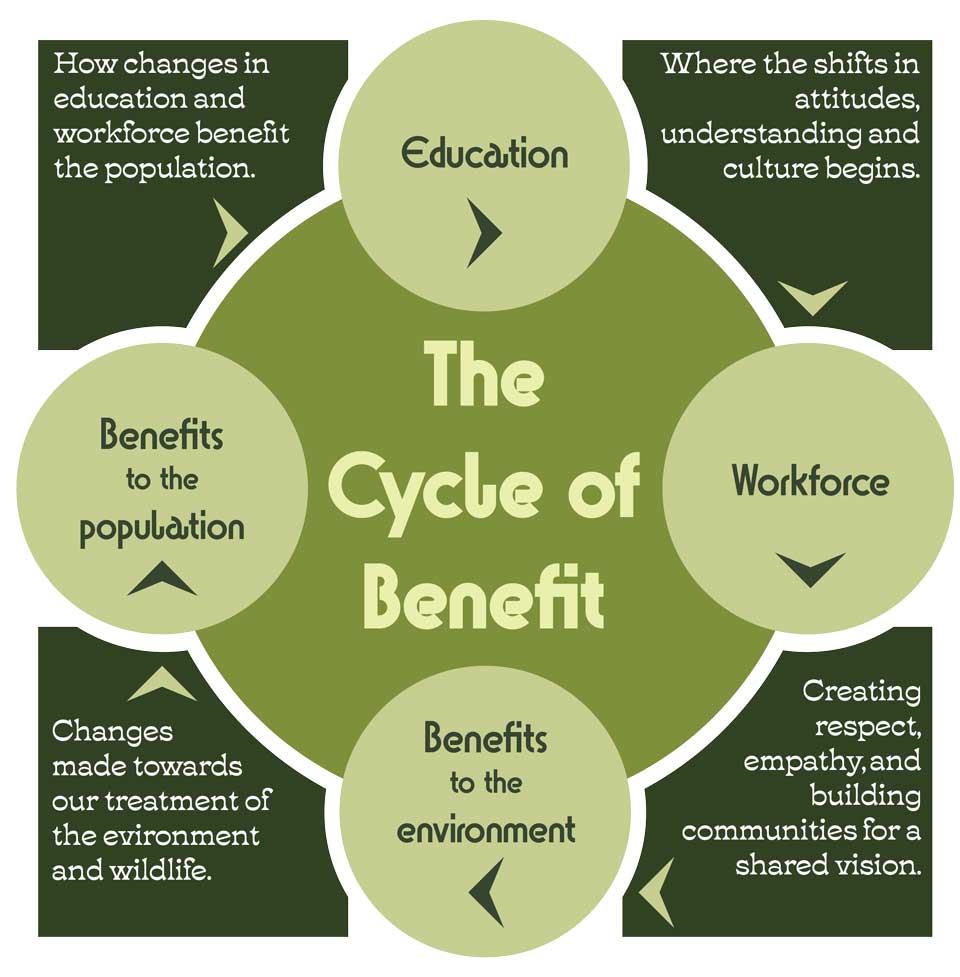
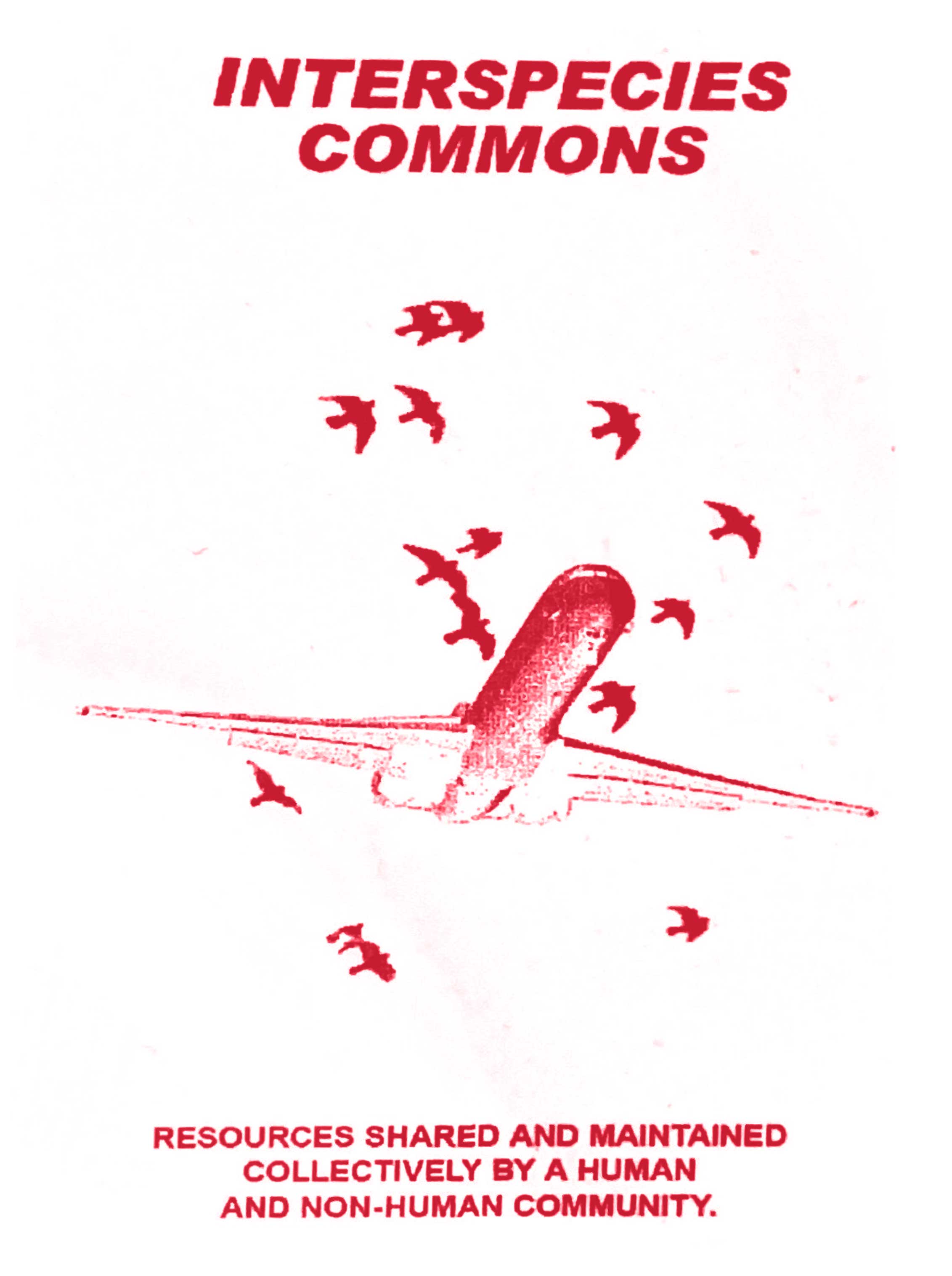
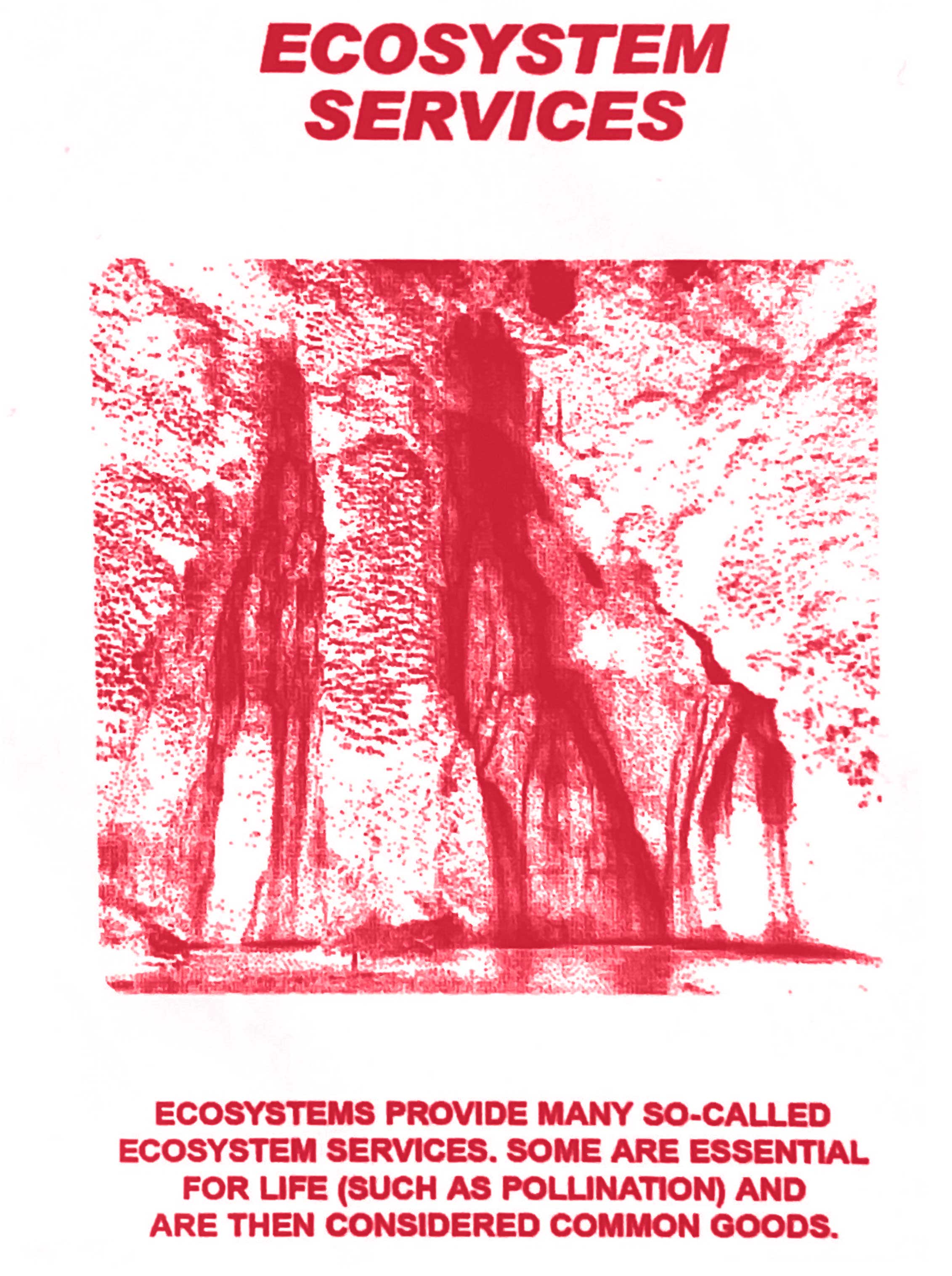
Our research shows that while the human population grows rapidly, plants and animals are disappearing 1000 times faster—largely due to urban expansion and its impact on biodiversity and tropical deforestation. To address this, we developed the 'Cycle of Benefit,' where cities actively protect and nurture the environment and at-risk species like dormice and bees. In return, these efforts enhance human health and wellbeing.
Target Audience
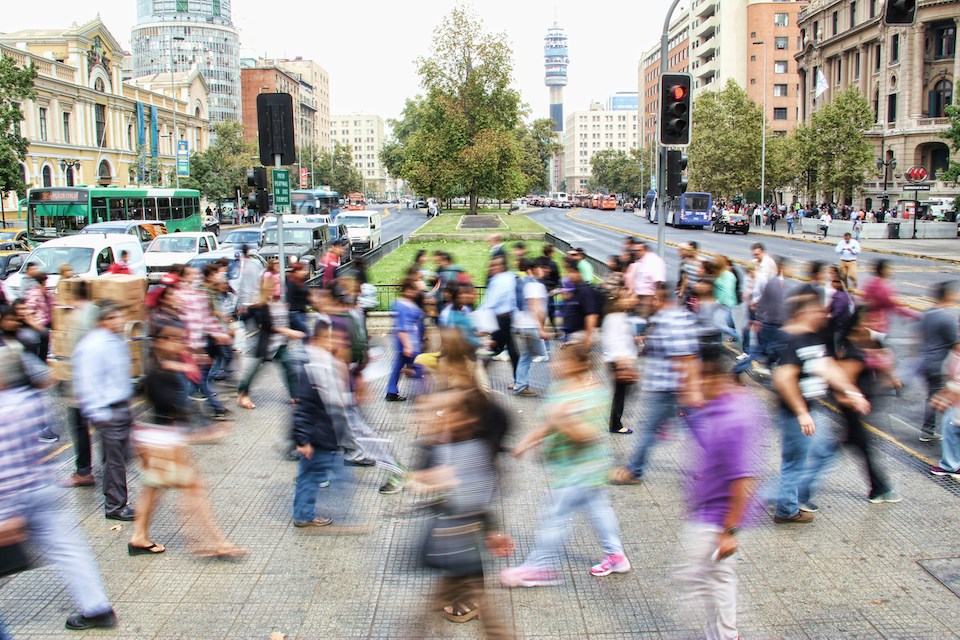
Students and workers are a specific focus in our demographic, as the work done in educating young people, as well as what we called 'eco-vocations' (careers dedicated to protecting and maintaining the environment) are what keeps our Cycle of Benefit spinning.
Due to our broader demographic, when we moved on to developing our products we were considerate of which tools would be most effective at reaching each age group of our target audience.
Visualising Our Ideas
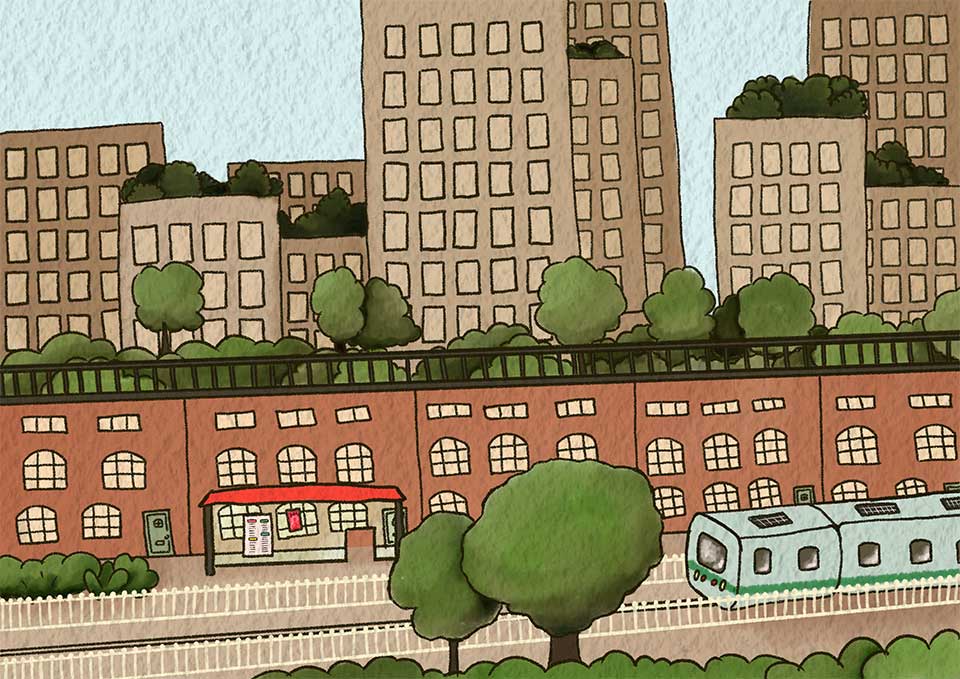
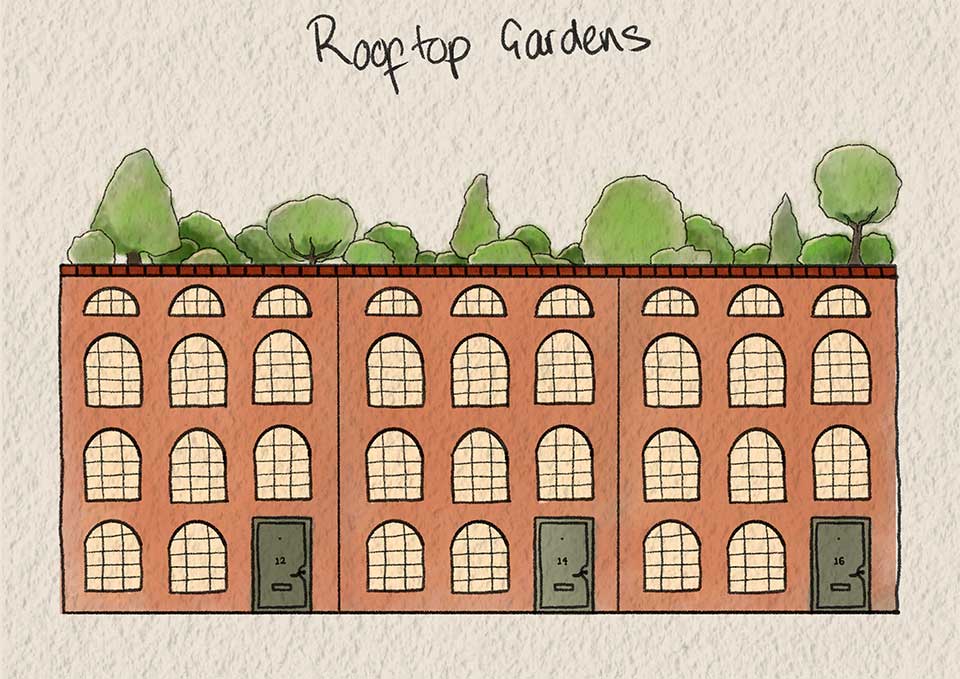
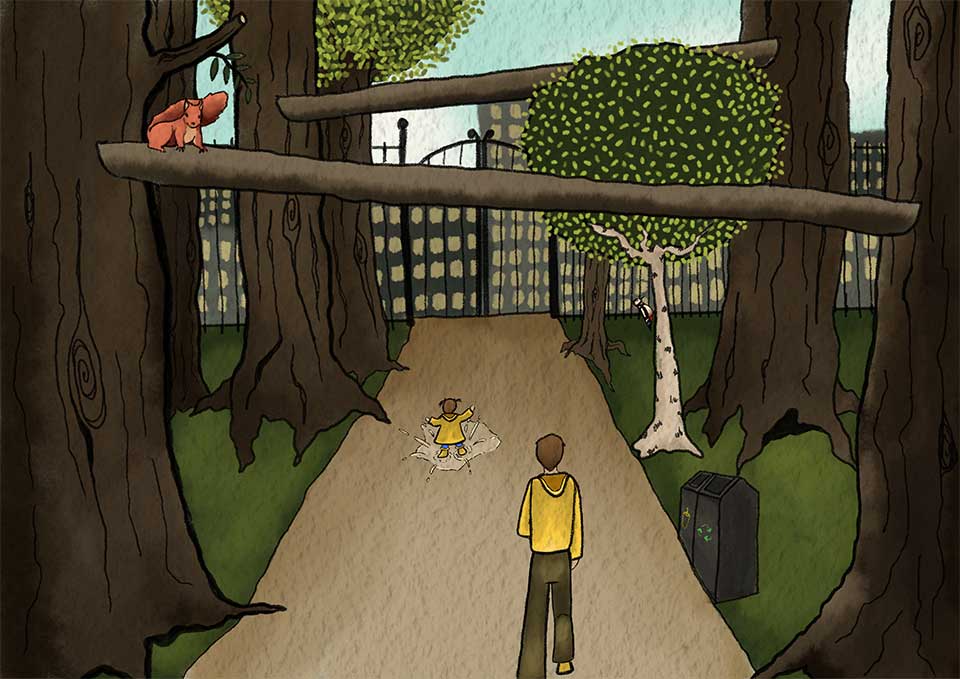
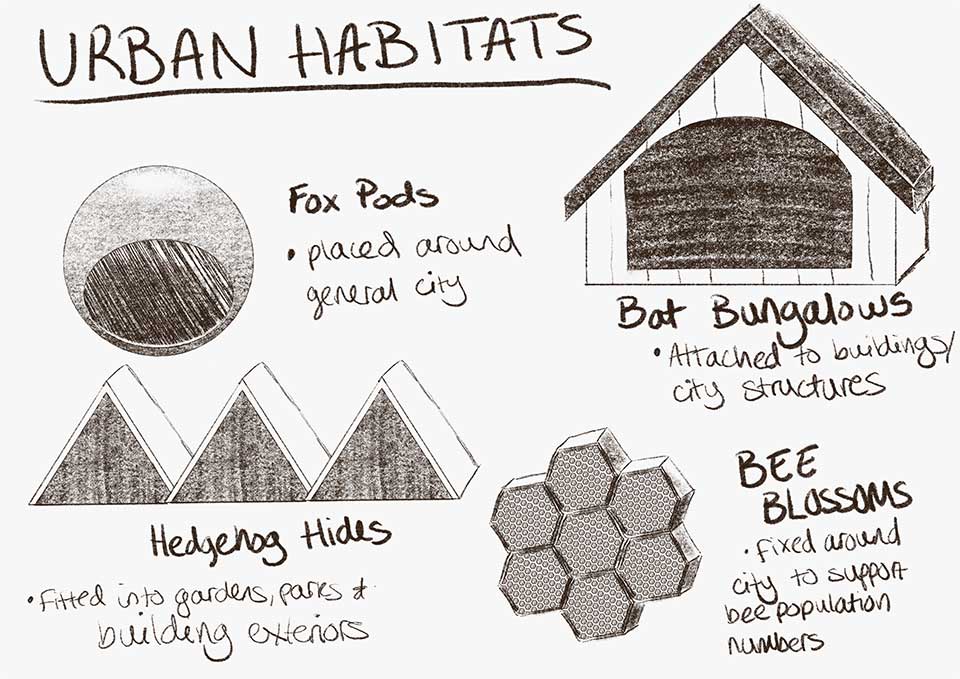
These three sketches capture life in our reimagined urban world, where nature reclaims its space. Rooftop gardens provide habitats for pollinators while insulating buildings. Shared pathways and overhead beams allow wildlife to move freely. Public transport, powered by solar energy, replaces dense city traffic, reducing CO₂ emissions. In areas lacking natural spaces, man-made habitats support urban wildlife.
Tagoro City Map
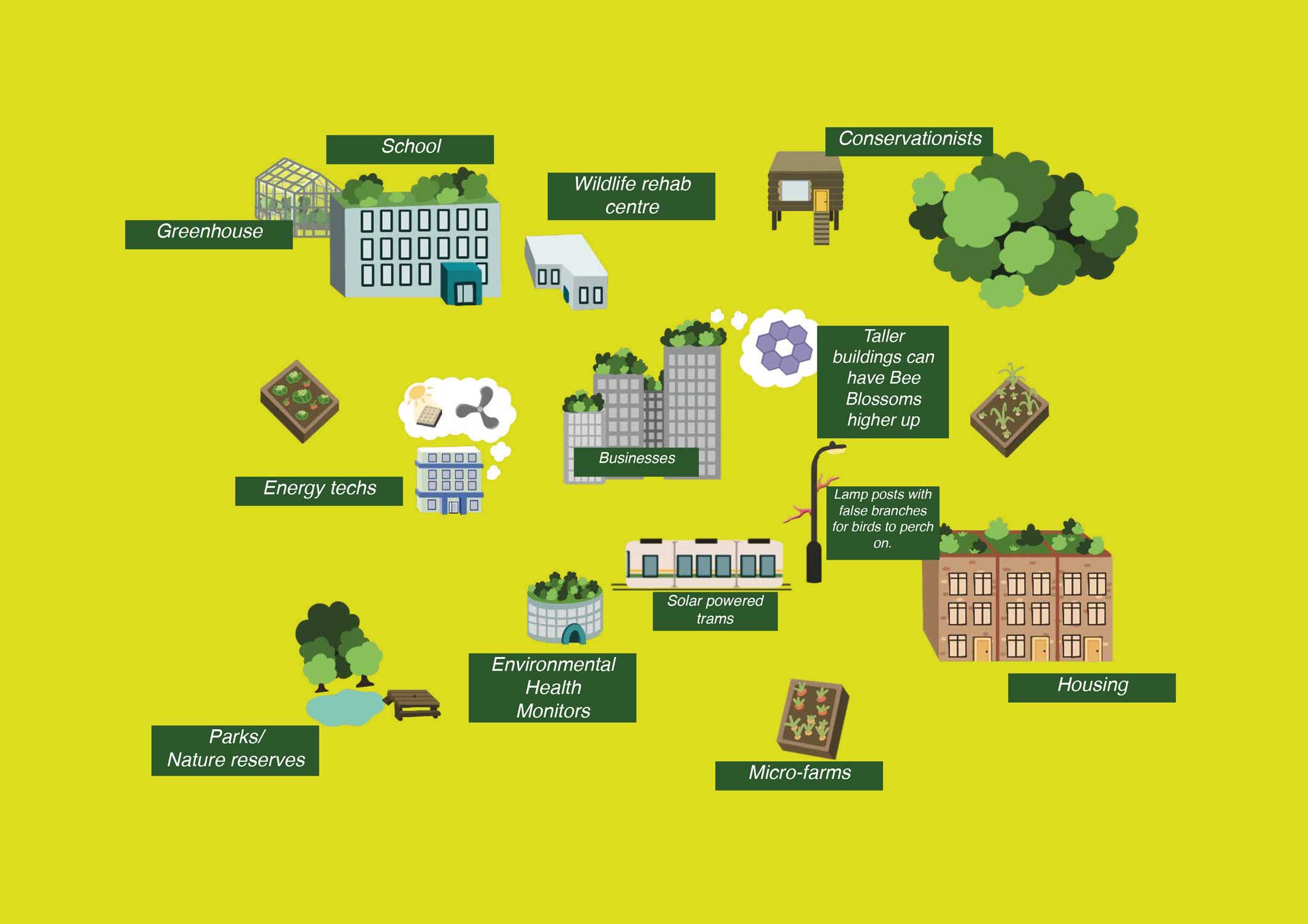
Here I drew up a simple map to outline the flow of the city structure. Businesses and companies are dedicated to upholding the health of the eco-system, and schools offer easy access to green spaces and activities, such as micro-farming and volunteering at animal rehab centres, so that they can learn about sustainable living before entering the workforce.
Prototypes

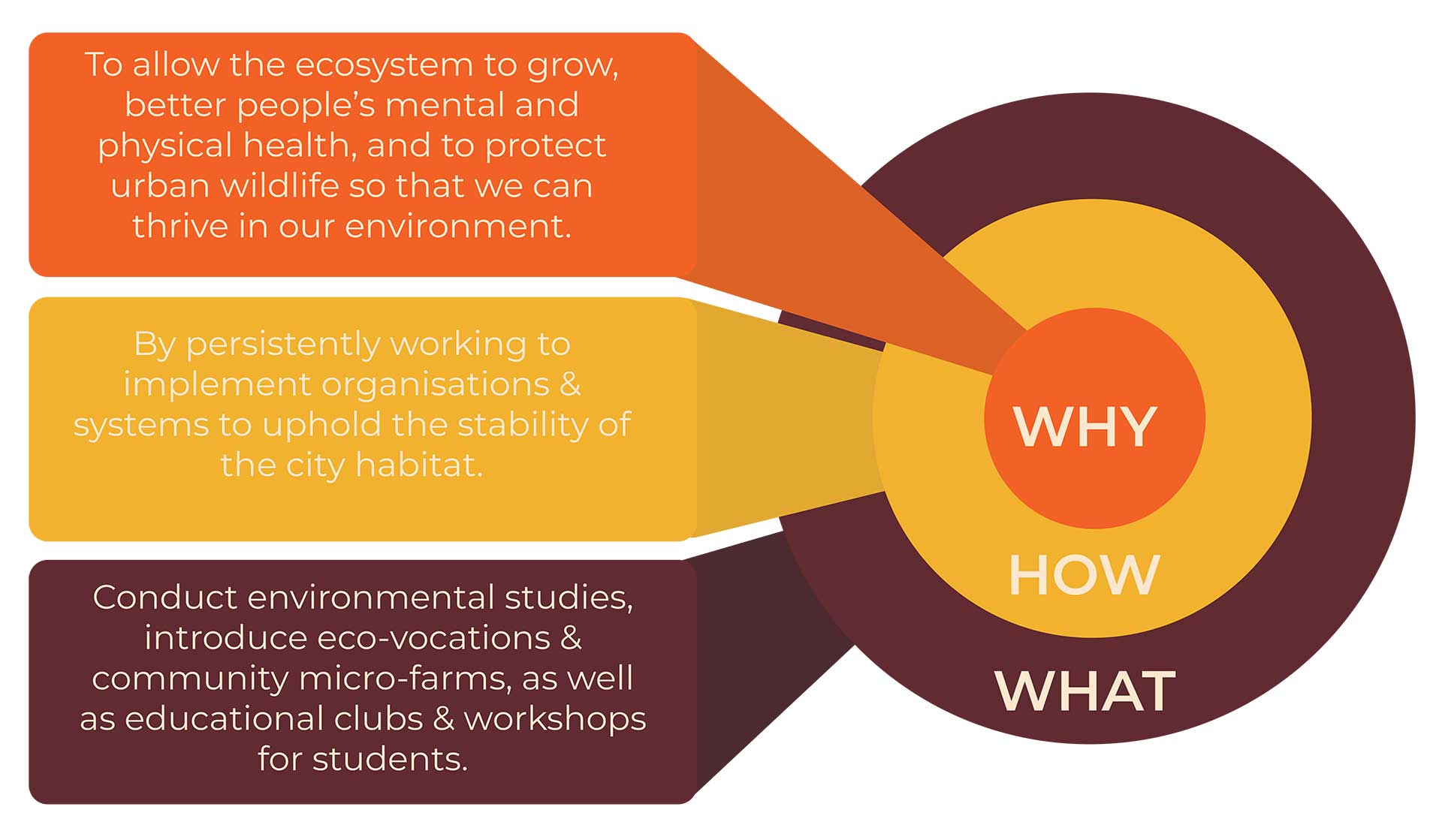
Brand Purpose
We used the Why How What model, which we learned about watching a Ted Talk by Simon Sinek, to clearly outline the purpose, methods, and results of Tagoro.
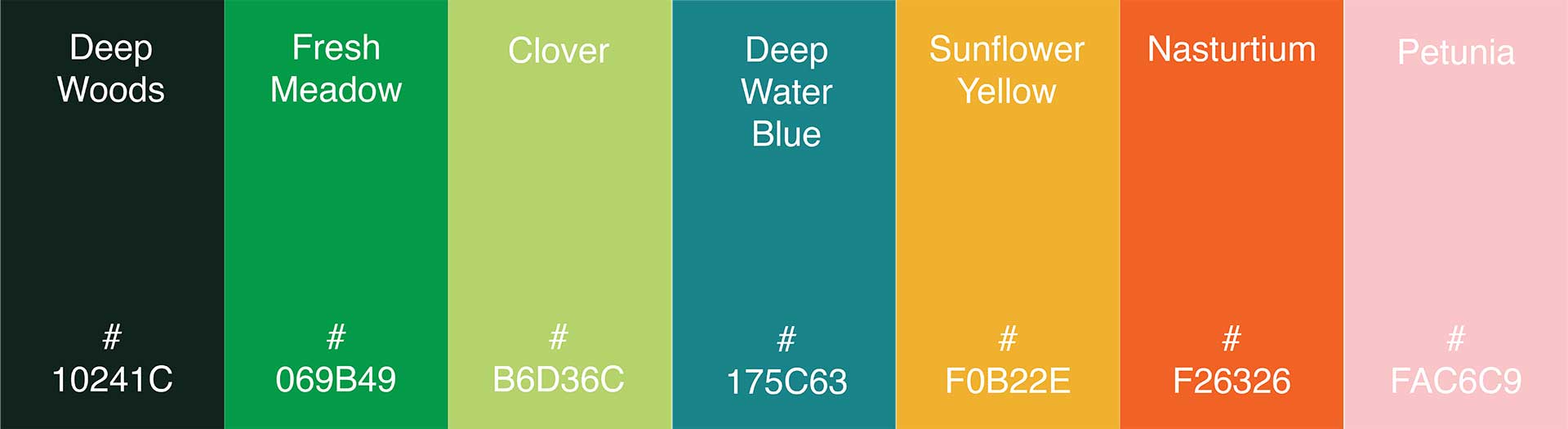
My Proposed Branding Route
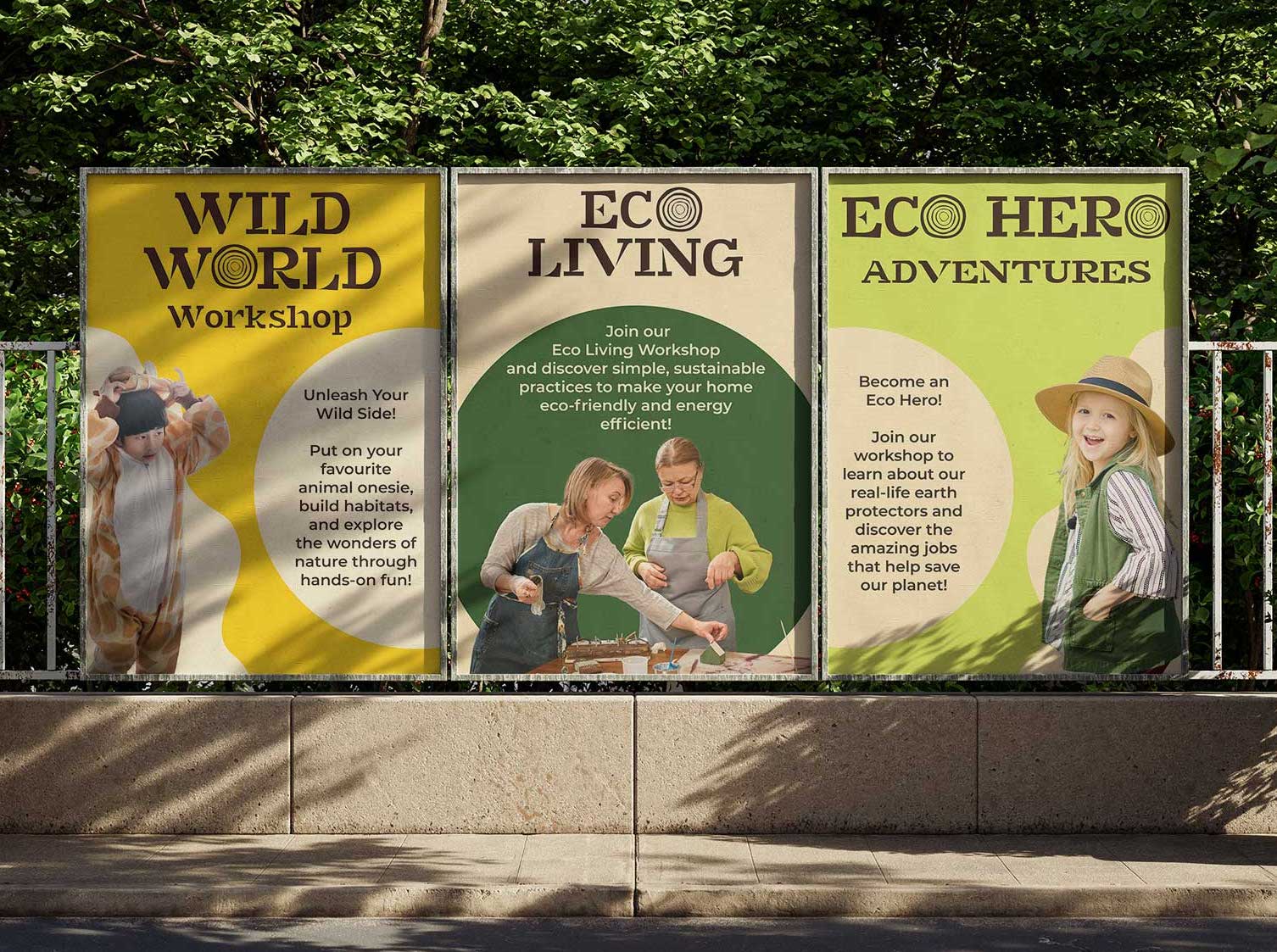
These are the logos and the colour palette that I came up with to present to Imagination. I wanted to capture the inherent overlap of urban spaces and nature that exists in Tagoro, and how it is an entirely shared space belonging to the people, wildlife, and plant life that live there.
Shown below are the different versions of the logo that I came up with.














Chosen Route


-2-17.jpg)
-2-18.jpg)
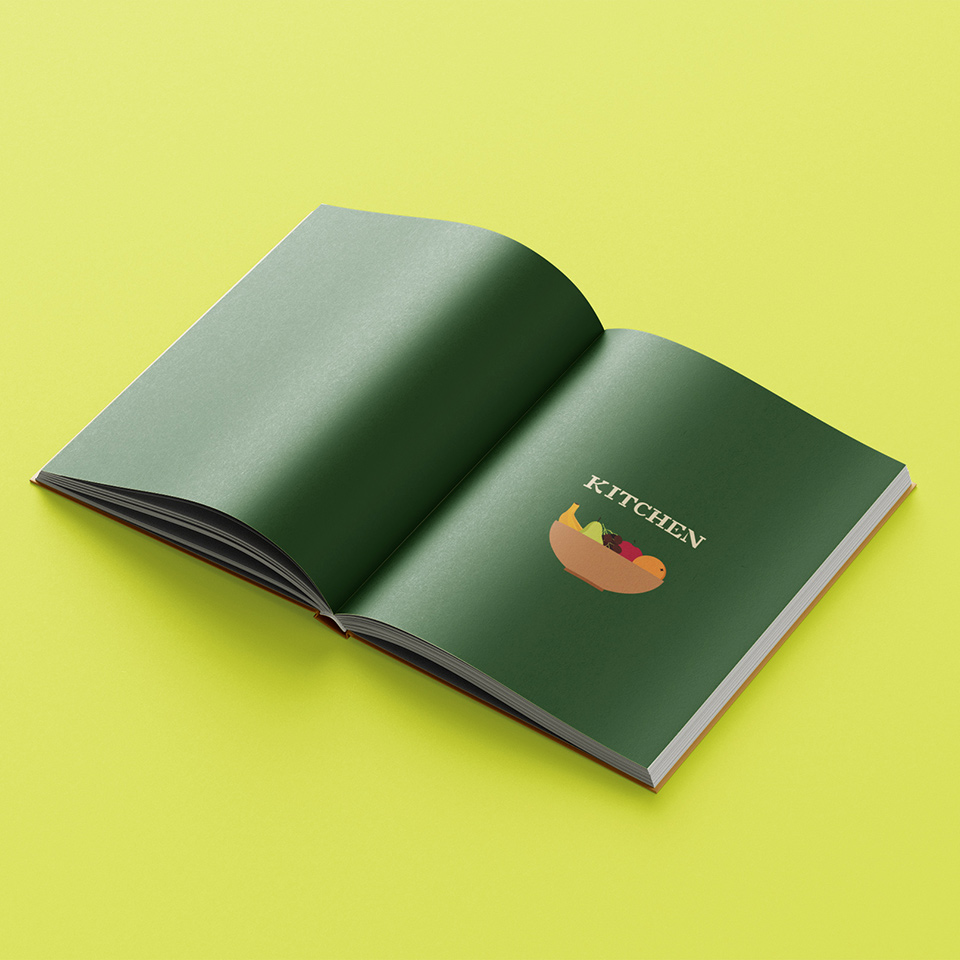
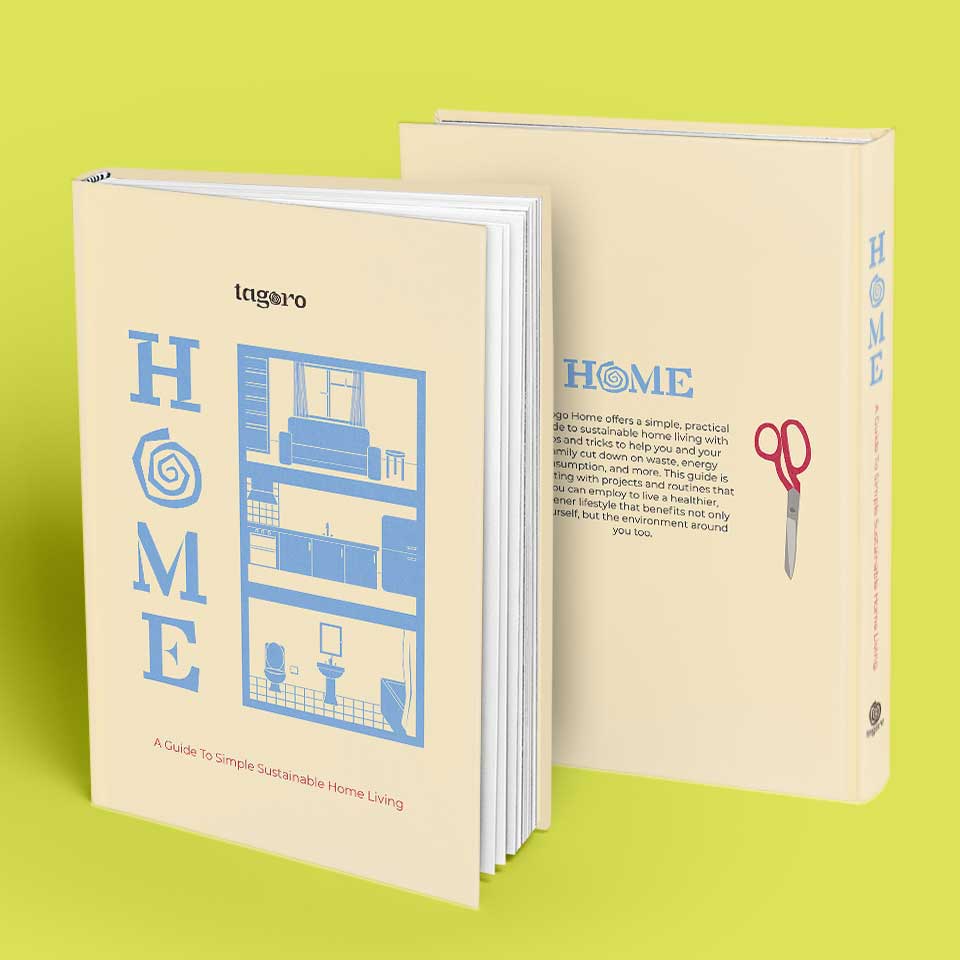
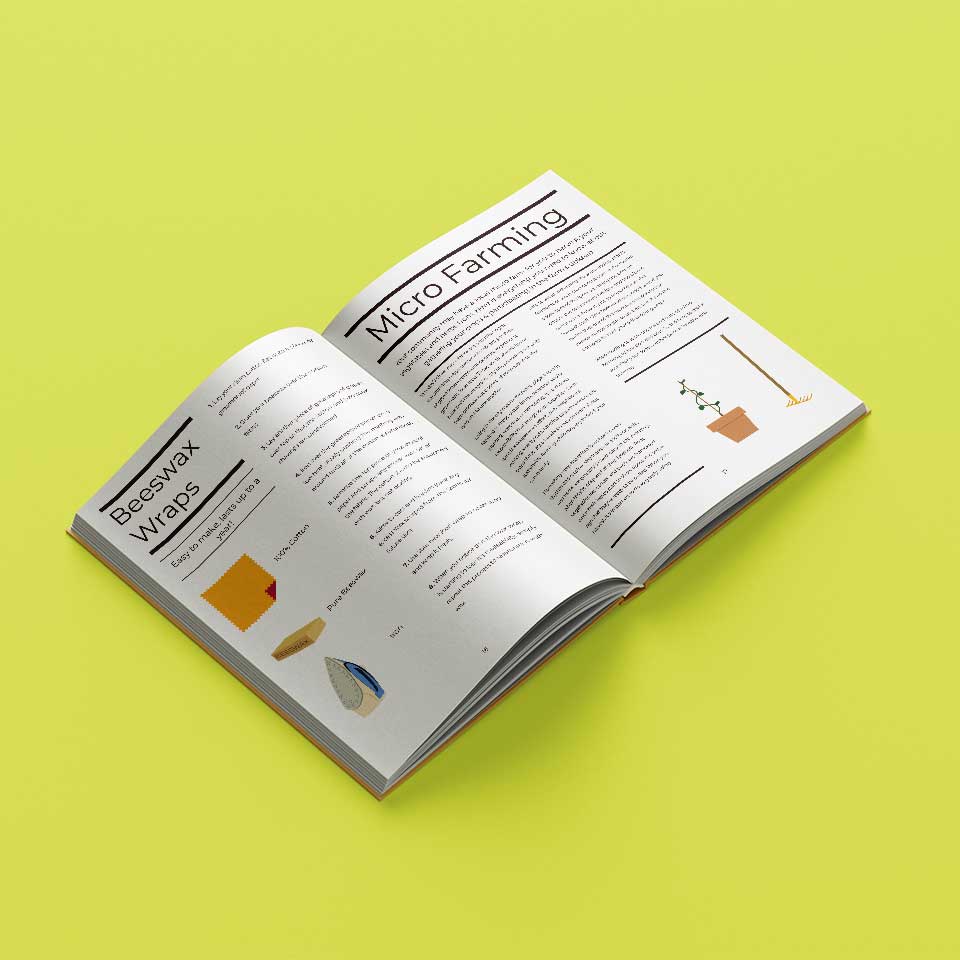
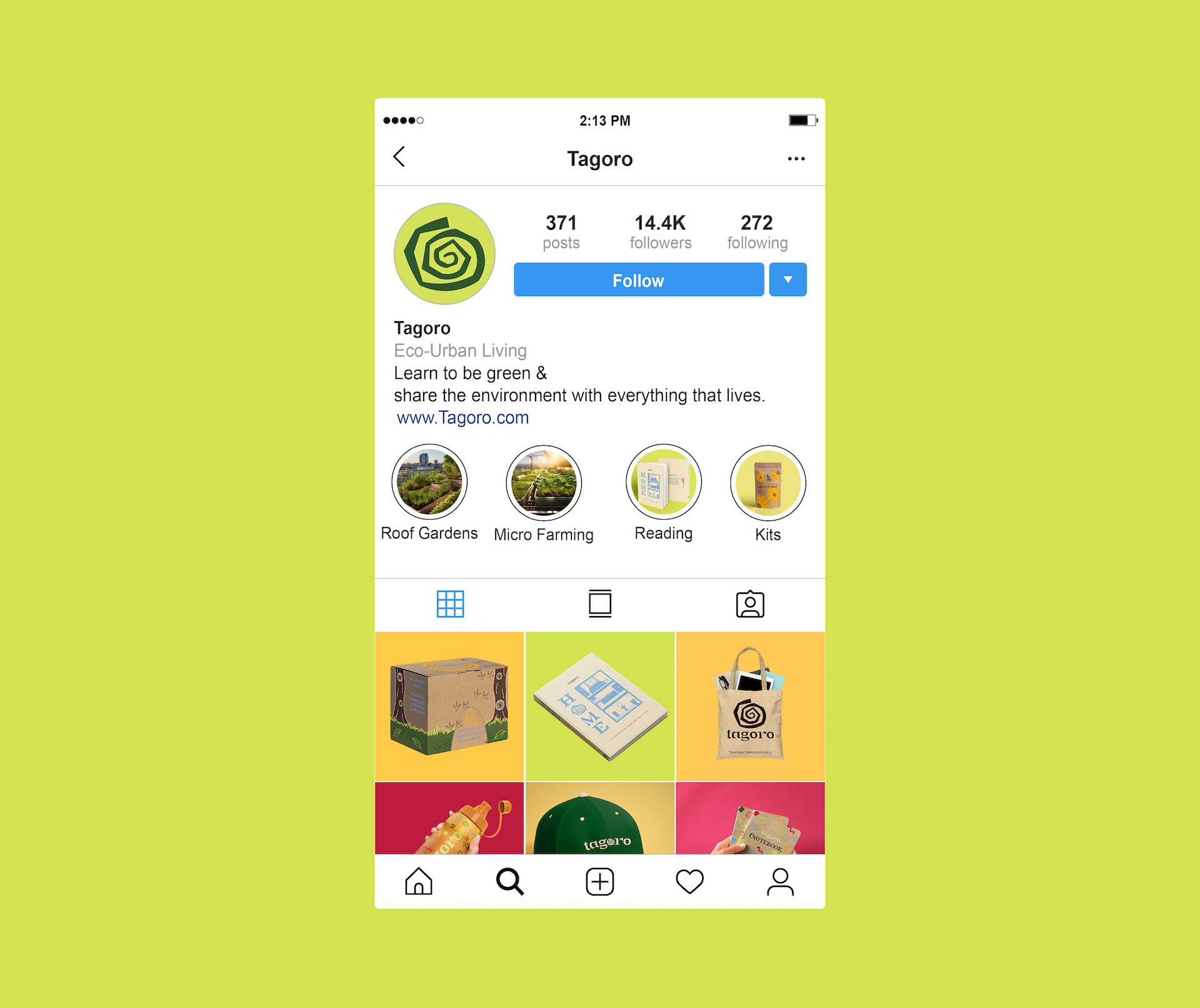
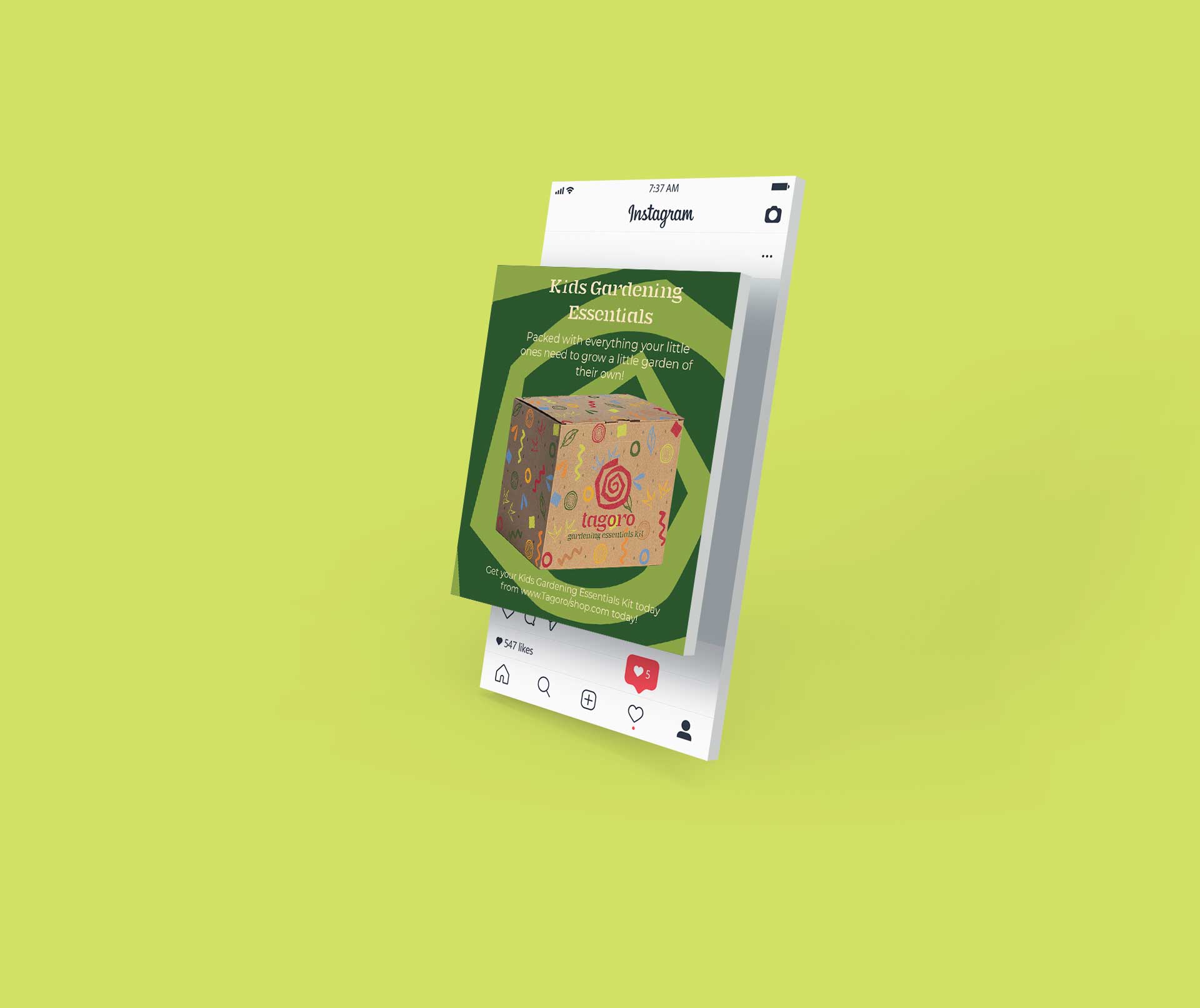
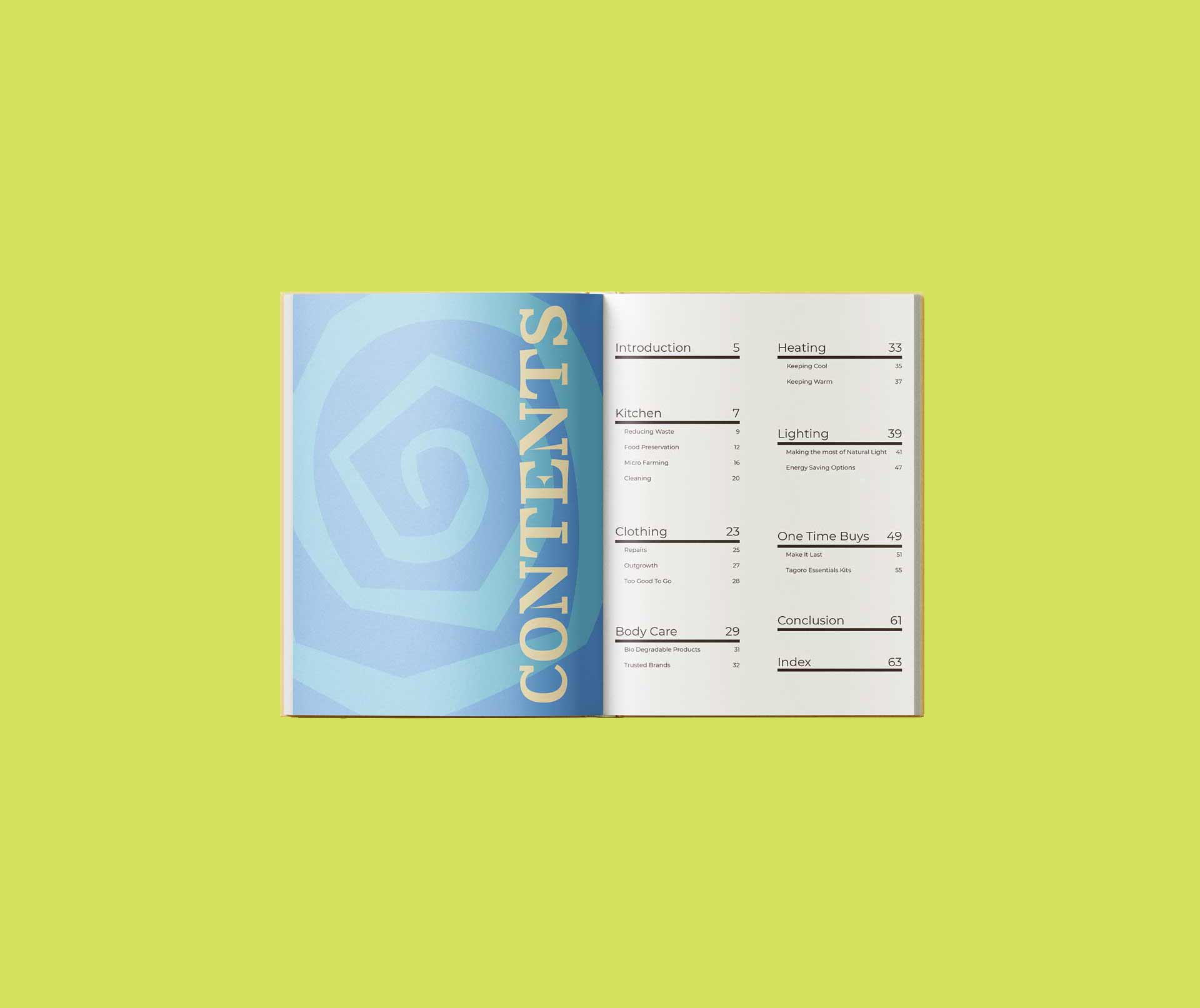
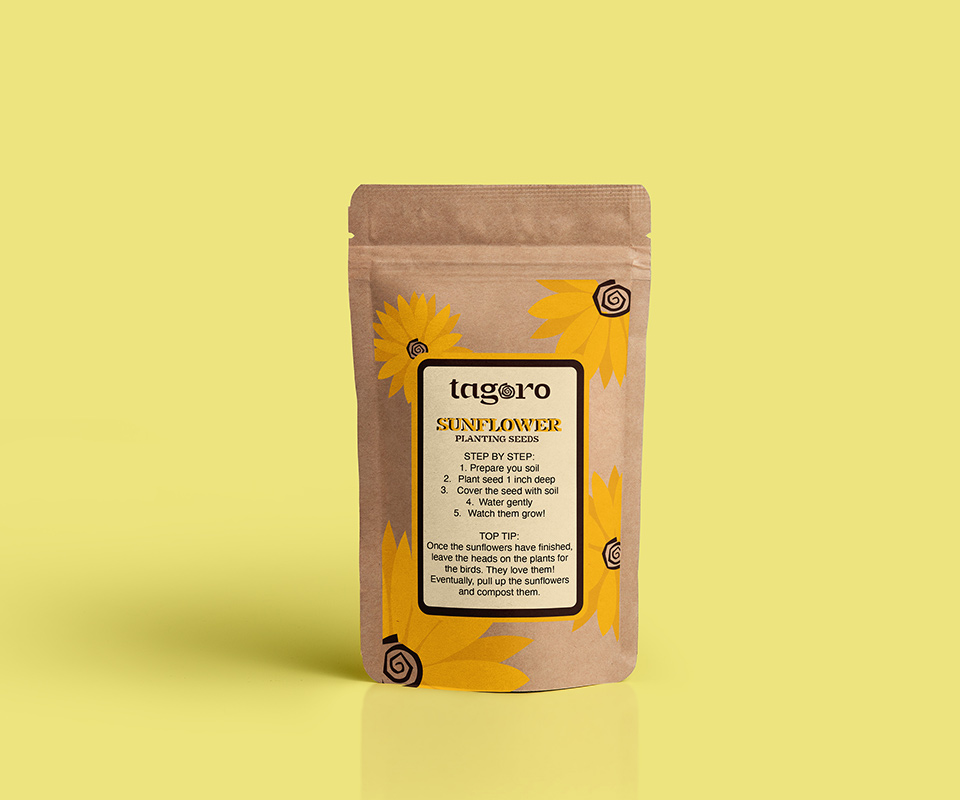
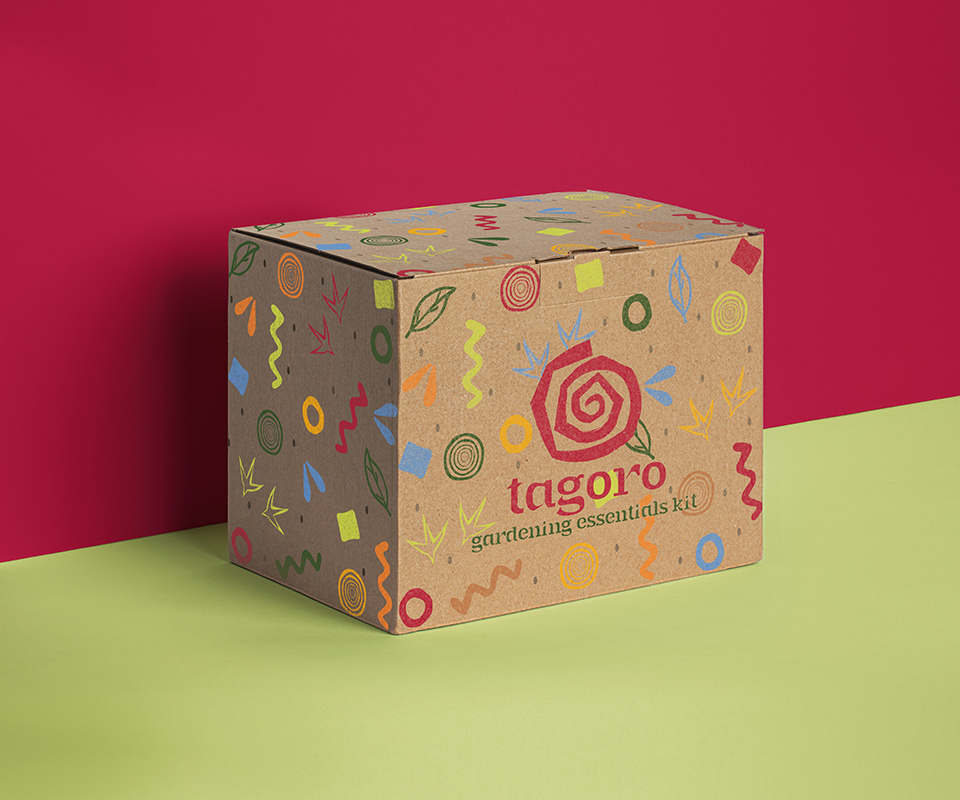
Mock Ups




Babu, S. (2017). Urban Heat Island Effect: All you need to know. [online] Eco-intelli- gentTM. Available at: https://eco-intelligent. com/2017/04/13/the-urban-heat-island-effect/ [Accessed 20 Oct. 2024].
Cane, A. (2021). Why habitat matters in construction. [online] Construction Management. Available at: https://constructionmanagement. co.uk/why-habitat-matters-in-construction/ [Accessed 9 Oct. 2024].
CWF FCF. (n.d.). How Building a House Impacts Wildlife – Your Connection to Wildlife. [online] Available at: https://blog.cwf-fcf.org/index. php/en/how-building-a-house-impacts-wildlife/ [Accessed 9 Oct. 2024].
Friends of the Earth. (n.d.). The Bee Cause Help save bees. [online] Available at: https://friend- softheearth.uk/bees [Accessed 20 Oct. 2024].
Gaver, W., Boucher, A., Vanis, M., Sheen, A., Brown, D., Ovalle, L., Matsuda, N., Ab- bas-Nazari, A. and Phillips, R. (2019). My Naturewatch Camera. Proceedings of the 2019 CHI Conference on Human Factors in Computing Systems. [online] doi:https://doi. org/10.1145/3290605.3300532.
Goldsmiths, University of London. (n.d.). My Na- turewatch. [online] Available at: https://www.gold. ac.uk/research/case-studies/my-naturewatch/ [Accessed 11 Oct. 2024].
Law, J. (2019). Why we need birds (far more than they need us). [online] BirdLife Interna- tional. Available at: https://www.birdlife.org/ news/2019/01/04/why-we-need-birds-far-more- than-they-need-us/ [Accessed 20 Oct. 2024].
Link, W. and C. (2021). Habitat loss from major infrastructure projects: The case for action. [online] pp.1–5. Available at: https://www.wcl.org. uk/docs/Habitat%20loss%20from%20major%20 infrastructure%20projects%20-%20The%20 case%20for%20action%20April%202021.pdf [Accessed 9 Oct. 2024].
Mair, C. (2020). Why we need green spaces in cities. [online] www.nhm.ac.uk. Available at: https://www.nhm.ac.uk/discover/why-we-need- green-spaces-in-cities.html [Accessed 9 Oct. 2024].
Museums Galleries Scotland. (2024). What is biodiversity loss and how can you combat it? - Museums Galleries Scotland. [online] Available at: https://www.museumsgalleriesscotland.org.uk/ advice-article/how-the-sector-can-combat-bio- diversity-loss/ [Accessed 9 Oct. 2024].
National Geographic (2009). Urbanization Effects. [online] National Geographic. Availa- ble at: https://www.nationalgeographic.com/ environment/article/urban-threats [Accessed 9 Oct. 2024].
National Geographic Society (2022). Sustaina- bility | National Geographic Society. [online] education.nationalgeographic.org. Available at: https://education.nationalgeographic.org/ resource/sustainability/ [Accessed 9 Oct. 2024].
Pena, J.C., Ovaskainen, O., MacGregor-Fors, I., Teixeira, C.P. and Ribeiro, M.C. (2023). The relationships between urbanization and bird functional traits across the streetscape. Landscape and Urban Planning, [online] 232, p.104685. doi:https://doi.org/10.1016/j.landur- bplan.2023.104685. Qazi, A., Hussain, F., Rahim, N.ABD., Hardaker, G., Alghazzawi, D., Shaban, K. and Haruna, K. (2019). Towards Sustainable Energy: a Sys- tematic Review of Renewable Energy Sources, Technologies, and Public Opinions. IEEE Access, [online] 7(7). doi:https://doi.org/10.1109/ac- cess.2019.2906402.
Rade, A. (2023). Are electric vehicles better for the environment? [online] www.sustain.life. Availa- ble at: https://www.sustain.life/blog/electric-vehi- cles-environment [Accessed 9 Oct. 2024].
Riddle, S. (2016). How Bees See And Why It Matters | Bee Culture. [online] Beeculture.com. Available at: https://www.beeculture.com/bees- see-matters/ [Accessed 28 Oct. 2024].
Sinek, S. (2009). How great leaders inspire ac- tion. [online] www.ted.com. Available at: https:// www.ted.com/talks/simon_sinek_how_great_lead- ers_inspire_action/transcript?subtitle=en [Accessed 6 Nov. 2024].
Sinek, S. (2018). Start With Why. [online] Start With Why. Available at: https://simonsinek.com/ [Accessed 6 Nov. 2024].
StudySmarter UK. (n.d.). Interspecies Relation- ships: Definition & Types | StudySmarter. [online] Available at: https://www.studysmarter.co.uk/ explanations/environmental-science/living-envi- ronment/interspecies-relationships/ [Accessed 9 Oct. 2024].
Ukpanah, I. (2024). Is Gas Bad For The Envi- ronment? Statistics, Facts And Trends. [online] GreenMatch.co.uk. Available at: https://www. greenmatch.co.uk/blog/true-cost-of-gas [Ac- cessed 14 Oct. 2024].
United Nations (2024). What is Renewable Energy? [online] United Nations. Available at: https://www.un.org/en/climatechange/ what-is-renewable-energy [Accessed 15 Oct. 2024].
Volz, L. and Pine, J. (2022). The Top 5 Ways Cities Are Addressing Climate Change. [online] National League of Cities. Available at: https:// www.nlc.org/article/2022/04/22/the-top-5- ways-cities-are-addressing-climate-change/ [Accessed 11 Oct. 2024].
World Meteorological Organization (2020). Urban heat island | world meteorological or- ganization. [online] community.wmo.int. Available at: https://community.wmo.int/en/activity-areas/ urban/urban-heat-island [Accessed 20 Oct. 2024].
WWF (2023). Here’s how insects help keep ecosystems in balance. [online] World Wildlife Fund. Available at: https://www.worldwildlife.org/ magazine/issues/spring-2023/articles/here-s- how-insects-help-keep-ecosystems-in-balance [Accessed 15 Oct. 2024].
www.naturefriendlyschools.co.uk. (n.d.). Home | Nature Friendly Schools. [online] Available at: https://www.naturefriendlyschools.co.uk/ [Accessed 24 Oct. 2024].
www.nhm.ac.uk. (n.d.). Urban wildlife | Natural History Museum. [online] Available at: https:// www.nhm.ac.uk/discover/urban-wildlife.html [Accessed 9 Oct. 2024].
www.wildlifetrusts.org. (n.d.). Urban wildlife | The Wildlife Trusts. [online] Available at: https://www. wildlifetrusts.org/where_to_see_urban_wildlife [Accessed 9 Oct. 2024].